
Modern Nomads: Social and Environmental Change in Mongolia
11 Days ◦ 2 Instructors, Guest Lecturers, and Support Staff
No Prior Experience Required. All instruction will be in English
Dates: June 29-July 9, 2026
Tuition and Fees: $4,000 (Fellowships Available)
Deadlines
Priority Fellowship Consideration: February 20, 2026 (know by March 20, 2026)
Fellowship Waitlist: March 20, 2026 (know by April 17, 2026)
Final Deadline (Self-Funded): April 17, 2026 (know by April 24, 2026)
Watch our latest Informational Webinar to learn more about the courses and instructors before you apply!
Please note that all tuition payments are due in full by May 1, 2026. For more information about payment and refunds, please see our Participant-Initiated Cancellation and Refund Policy, available here.
Embark on a ten-day journey exploring how Mongolia navigates climate shifts, cultural heritage, and urban transformation. This hands-on field course examines pastoral communities responding to Dzud—catastrophic winter conditions—and traces rural migration patterns reshaping Ulaanbaatar's expanding Ger neighborhoods. From Hustai National Park's grasslands, home to the Przewalski's horse, to evolving peri-urban settlements where nomadic traditions meet city life, participants engage directly with herding families, officials, and urban residents to understand Mongolia's profound socio-environmental transitions. Through immersive experiences in rangeland practices, wildlife observation, and community governance, combined with analysis of resource conflicts and public health issues, this course offers unique insight into a nation balancing ancestral ways with sustainable adaptation in a rapidly changing world.

Course Overview
This immersive field school explores the profound impacts of climate change on Mongolia's rangelands and the remarkable adaptations employed by nomadic herding communities. Participants will investigate how herders navigate climate-induced challenges, particularly Dzud—the devastating winter phenomenon that threatens livestock survival and pastoral livelihoods. Through hands-on fieldwork at Hustai National Park and engagement with local herder families, you will examine Community-Based Natural Resource Management (CBNRM) strategies, observe sustainable grazing practices, and analyze rangeland conflicts between herders and crop farmers in buffer zones. Activities include participating in traditional herding tasks, studying biodiversity shifts in response to environmental pressures, and understanding how adaptive management practices help preserve both ecological integrity and cultural traditions across Mongolia's vast steppe landscapes.
The program provides critical insights into Mongolia's dramatic rural-to-urban migration patterns driven by climate change, economic pressures, and access to public services. You will analyze the forces propelling population shifts from pastoral regions to urban centers, examining how environmental degradation, employment opportunities, and educational access influence migration decisions. Through immersive experiences in Ulaanbaatar's rapidly expanding Ger Districts—where traditional felt tents merge with urban infrastructure—you will observe firsthand the challenges facing migrants as they adapt nomadic housing to city environments. Site visits to Ger district households and khoroo administration offices will reveal the complexities of local governance, public service delivery, and the environmental and public health crises emerging from rapid urbanization, including severe air pollution from coal burning and water contamination issues affecting vulnerable populations.
This course welcomes academics focused on climate change studies, migration scholars and demographers interested in internal migration patterns, members of non-governmental environmental and conservation organizations, and enthusiastic lay-public individuals seeking an insider's perspective on Mongolia's unique environmental and cultural landscape. Whether you're a researcher investigating climate adaptation strategies, a conservation practitioner seeking community-based management insights, or a cultural enthusiast eager to understand nomadic traditions, this program offers comprehensive frameworks for addressing the interconnected challenges of climate change, migration, and cultural sustainability. Participants will conclude by developing actionable policy recommendations and presenting solutions to local officials and community leaders, contributing directly to real-world conservation and development initiatives in Mongolia.
Anticipated Course Activities
Day 1
June 29
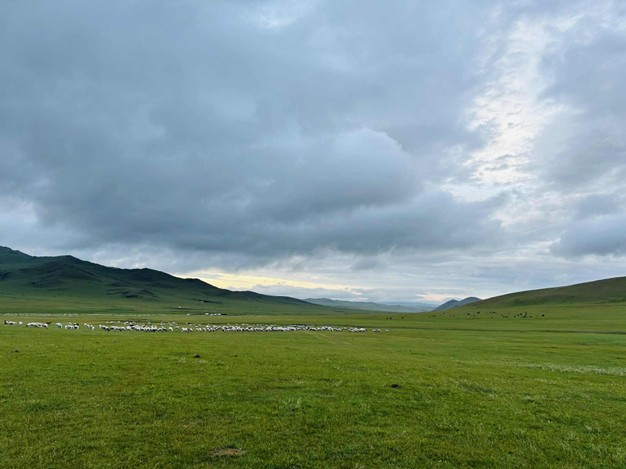
Course Orientation in Ulaanbaatar
The journey starts in Ulaanbaatar, Mongolia's dynamic capital, where participants meet faculty and peers. The program launches with an introduction to climate change in Mongolia, emphasizing Dzud—severe winter conditions affecting nomadic herders' resilience.
Day one extends beyond academics, immersing participants in Mongolian culture through traditions, cuisine, customs, and language, fostering appreciation for local life. The day culminates at the Chinggis Khan Museum, where participants explore Mongolia's historic legacy through art, artifacts, and legendary narratives celebrating the nation's heritage.
Day 2
June 30
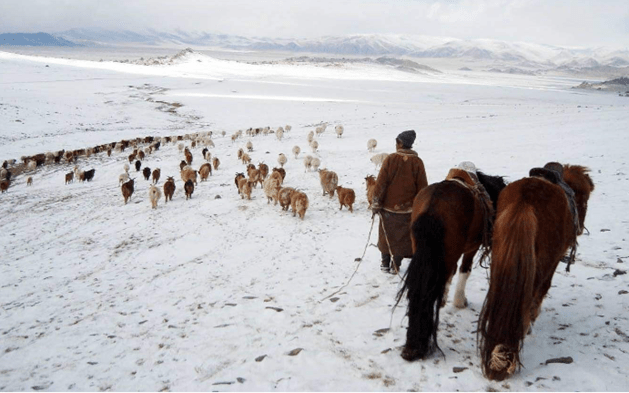
Living with Climate Change: Lessons from Mongolia’s Nomadic Herders
The journey continues to Hustai National Park, one of Mongolia’s most iconic protected areas and home to the Przewalski’s horse (Takhi)—the world’s only true wild horse, successfully reintroduced to its natural habitat over 30 years ago. Participants will explore how Mongolian nomadic herders are adapting to climate-induced challenges such as Dzud, and how sustainable practices are helping preserve their livelihoods and cultural traditions while immersed in the park’s breathtaking steppe landscapes.
Day 3
July 1
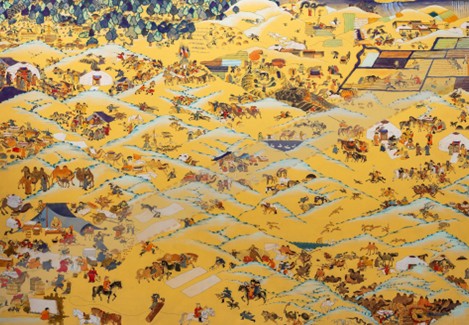
Impacts of Climate Change on Community-Based Rangeland Management
The program examines practical CBNRM (Community-based Natural Resource Management) implementation challenges and climate change's impacts on rangeland management. Participants visit herder families to observe climate effects on grazing and livelihoods firsthand. They will engage in traditional activities like livestock care and food preparation, fostering genuine cultural exchange and meaningful connections throughout their stay.
Day 4
July 2
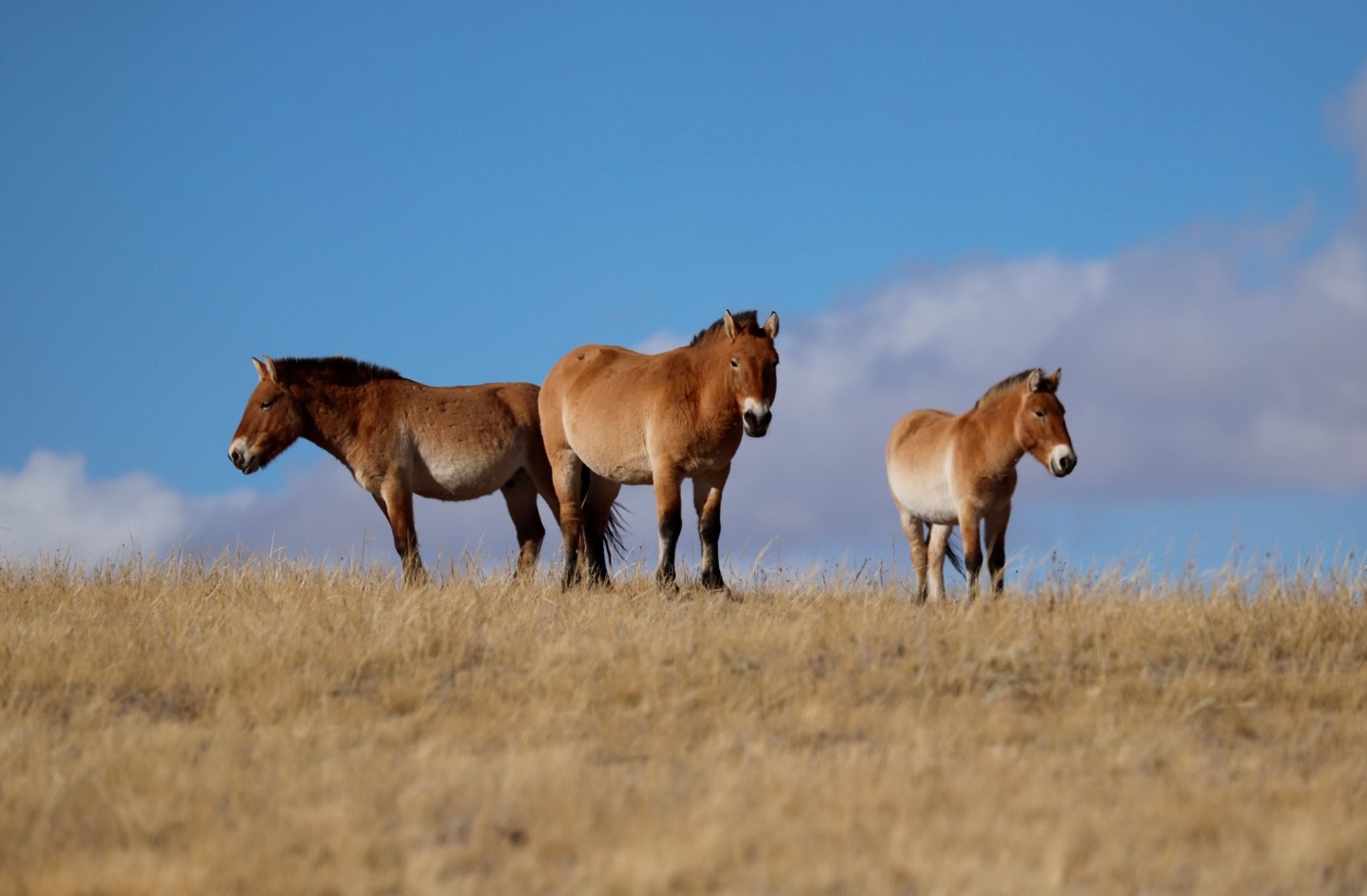
Changing Biodiversity in Hustai National Park, Mongolia
This session offers an in-depth introduction to Hustai National Park, one of Mongolia’s premier conservation areas, where participants will explore the park’s innovative wildlife management approaches, dynamic ecosystems, and diverse habitats. Through guided discussions and field observation, participants will gain a comprehensive understanding of how biodiversity in Hustai is changing in response to both natural and human influences, uncovering lessons in adaptive management and ecosystem resilience on Mongolia’s vast steppe.
Day 5
July 3
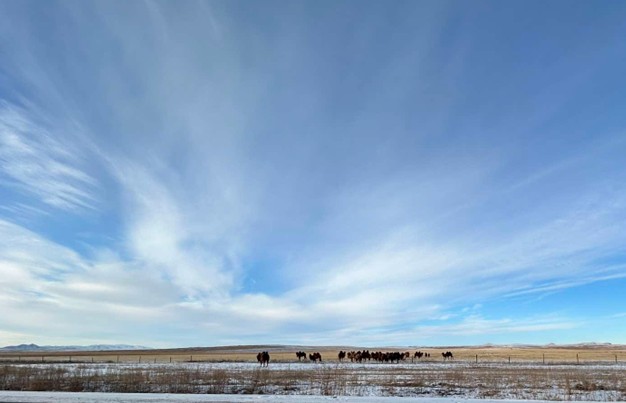
Conflict on the Steppe: Climate Change and Competing Land Uses
Participants will explore rangeland conflicts between herders and crop farmers in Hustai National Park's Buffer Zone, examining climate pressures, resource scarcity, and land-use competition. Through classroom sessions and field visits to herder households and farming sites, including interactive interviews, they'll gain insights into social-ecological challenges and community-based solutions for sustainable rangeland management and conflict resolution.
Day 6
July 4
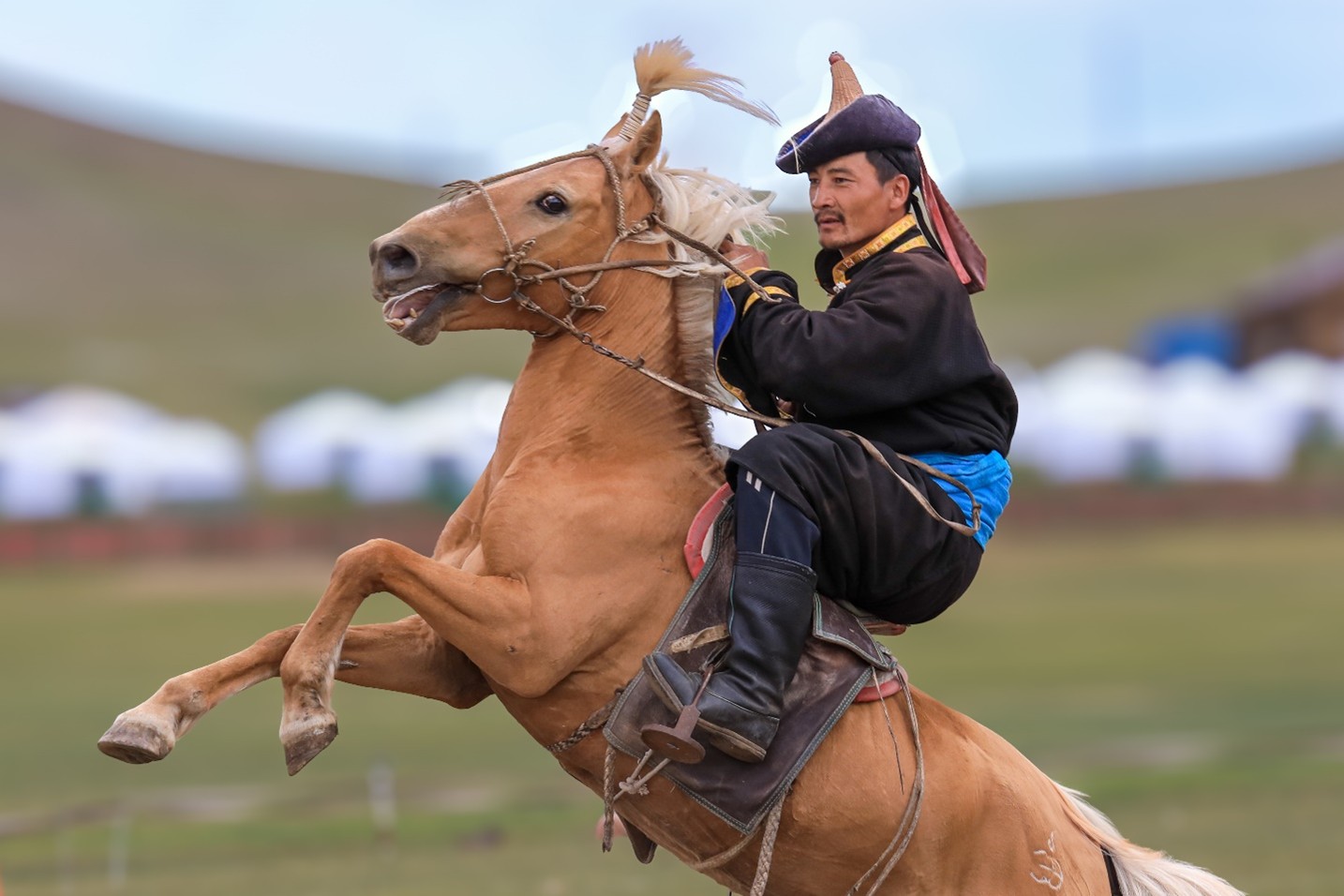
Visit Mini Naadam Festival
Participants will have the unique opportunity to partake in Mini Naadam Festival at Mongol Nomadic tourist camp, which is a half-hour drive from the park. This festival includes Mongolian wrestling, horse racing, archery, long songs, dances, and more, and will last 2-3 hours. After the festival, the group will drive to Ulaanbaatar.
Day 7
July 5
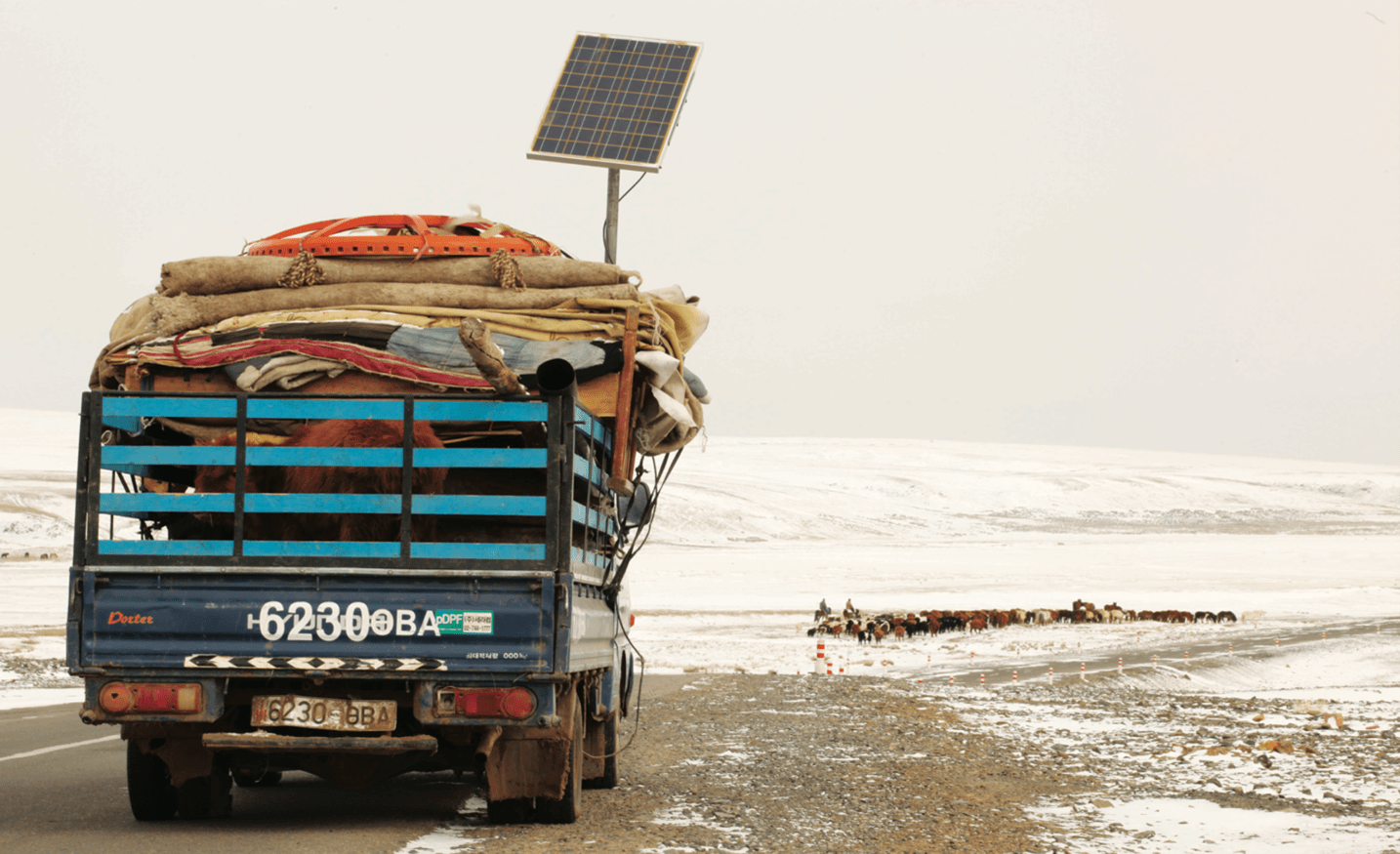
Understanding Migration Patterns
Following an exploration of the impacts of climate change on Mongolia's rural herding communities, this activity provides participants with in-depth knowledge of the internal migration movements that influence the nation's population distribution. During the lecture sessions focused on migration pattern analysis, participants will investigate the underlying forces that motivate rural-to-urban population shifts, encompassing employment prospects, climate-related environmental changes, and the availability of educational and medical resources.
Day 8
July 6
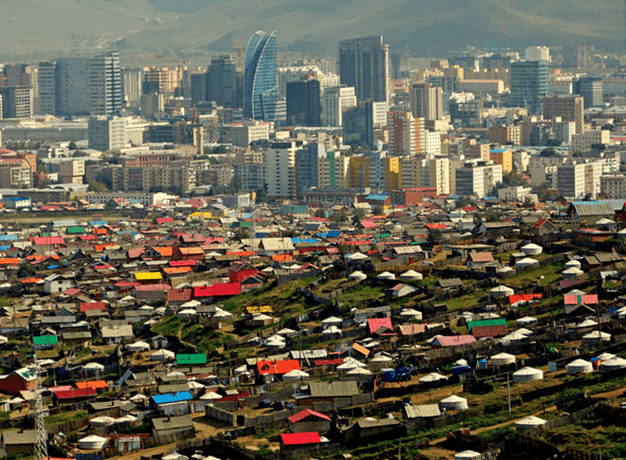
Ger District Immersion: Ger District Tour
Following classroom lectures, participants experience Ulaanbaatar's Ger Districts firsthand, where traditional felt tents meet modern urban infrastructure. Walking through these settlements, they'll observe living conditions, infrastructure challenges, and community dynamics. Household visits reveal how residents adapt nomadic housing to urban life, exploring heating, water, and waste management innovations while learning about social networks that help newcomers integrate into the city.
Day 9
July 7
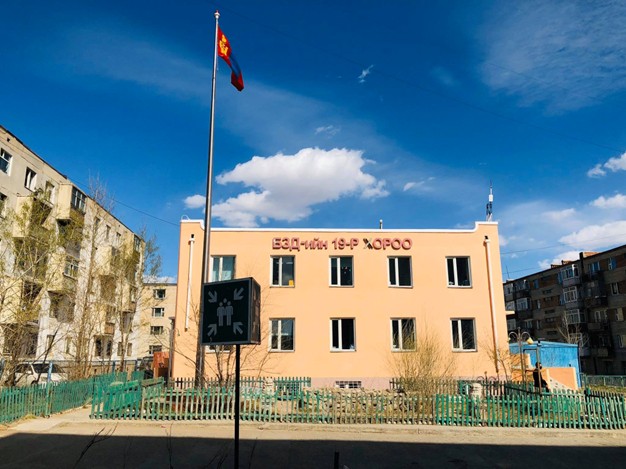
Ger District Immersion: Visit Khoroo Administration Office
This activity offers participants an essential understanding of Mongolia's urban governance and administrative operations. Meetings with khoroo officials reveal challenges in serving expanding informal settlements. Participants observe morning operations where residents register for services, resolve disputes, and access programs. Discussions with administrators explore balancing constrained resources against growing demands for infrastructure, education, and healthcare in underserved areas, providing practical insights into local public service delivery systems.
Day 10
July 8
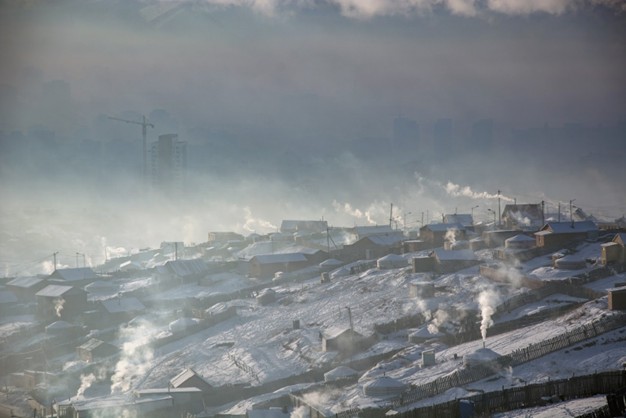
Environmental and Public Health Challenges in the City
This session explores Mongolia's interconnected environmental and health challenges from urbanization and climate change. Participants analyze air quality, water contamination, and health data to understand environmental degradation in communities. Participants will study Ulaanbaatar's severe winter air pollution crisis in Ger districts, where coal and waste burning create hazardous conditions. The session examines links between environmental challenges and respiratory health outcomes, especially affecting children and elderly residents, providing comprehensive insight into Mongolia's unique urban environmental health concerns.
Day 11
July 9
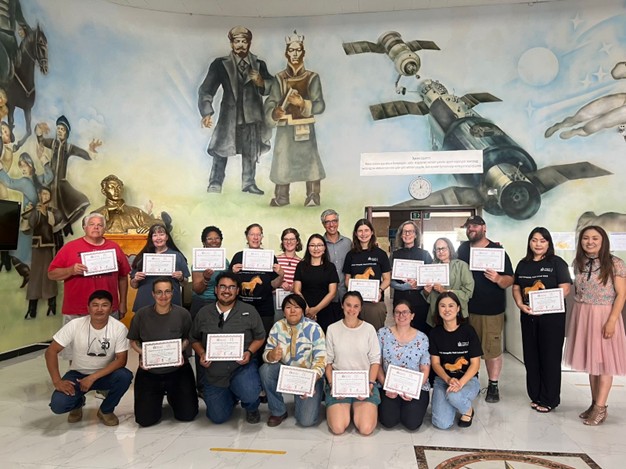
Course Conclusion
This concluding session enables participants to create practical action plans for addressing complex challenges explored throughout the course. Through guided discussions and presentations, participants synthesize observations, research, and stakeholder engagement into comprehensive frameworks. Teams develop policy recommendations targeting specific challenges, like proposing culturally-sensitive, economically-viable, and environmentally-sustainable waste management solutions for Ger districts. Final presentations to local officials and community leaders provide real-world feedback and potential implementation opportunities, transforming learning into tangible impact.
Instructors

Dr. Amgalan Batsuuri (Lead Instructor)
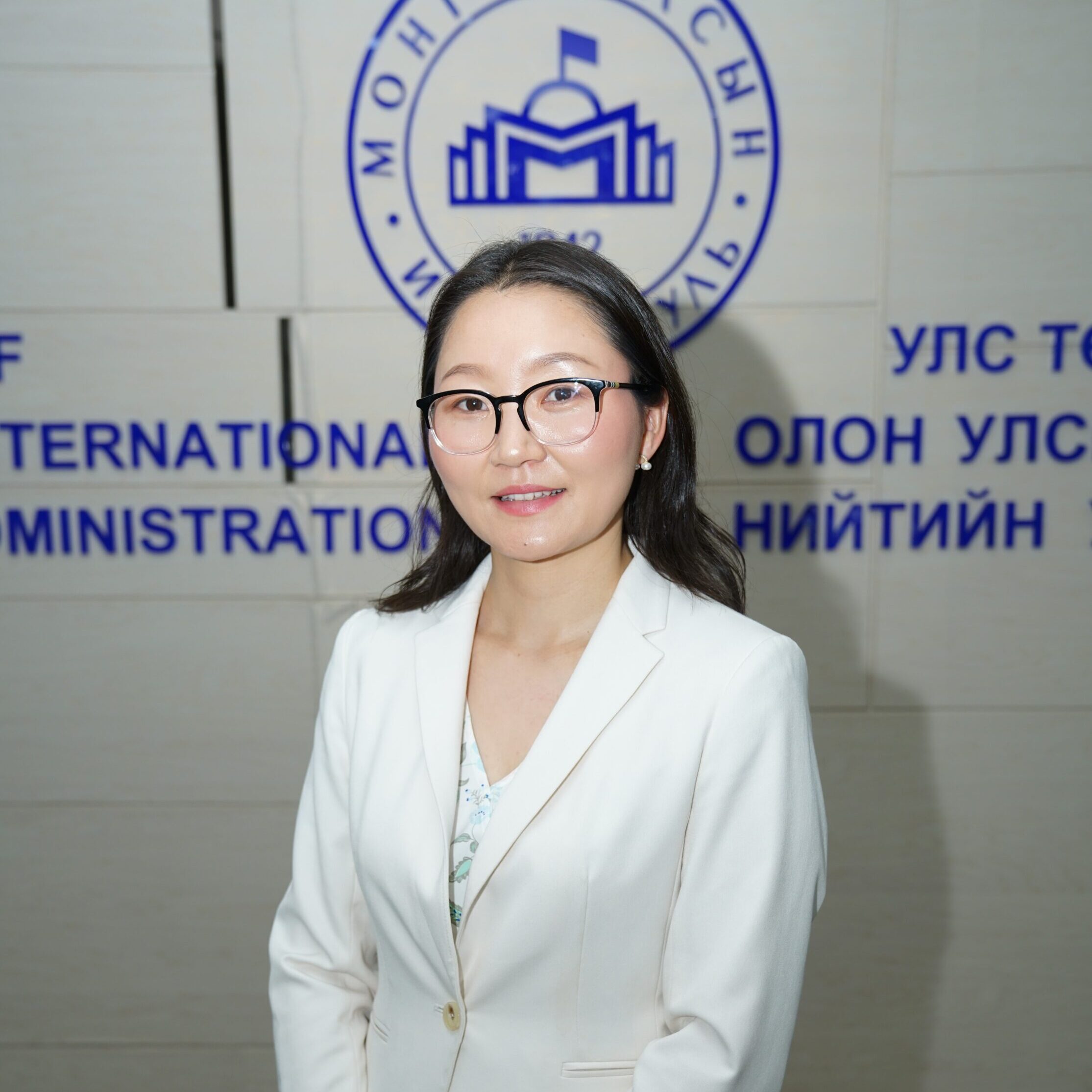
Dr. Tsermaa Nyamdavaa
Testimonials


