
What do we really know about the Mongol Empire? For many, it evokes images of conquest and devastation. Yet, Dr. Marie Favereau, renowned historian and author, invites us to see a more complex and fascinating picture.
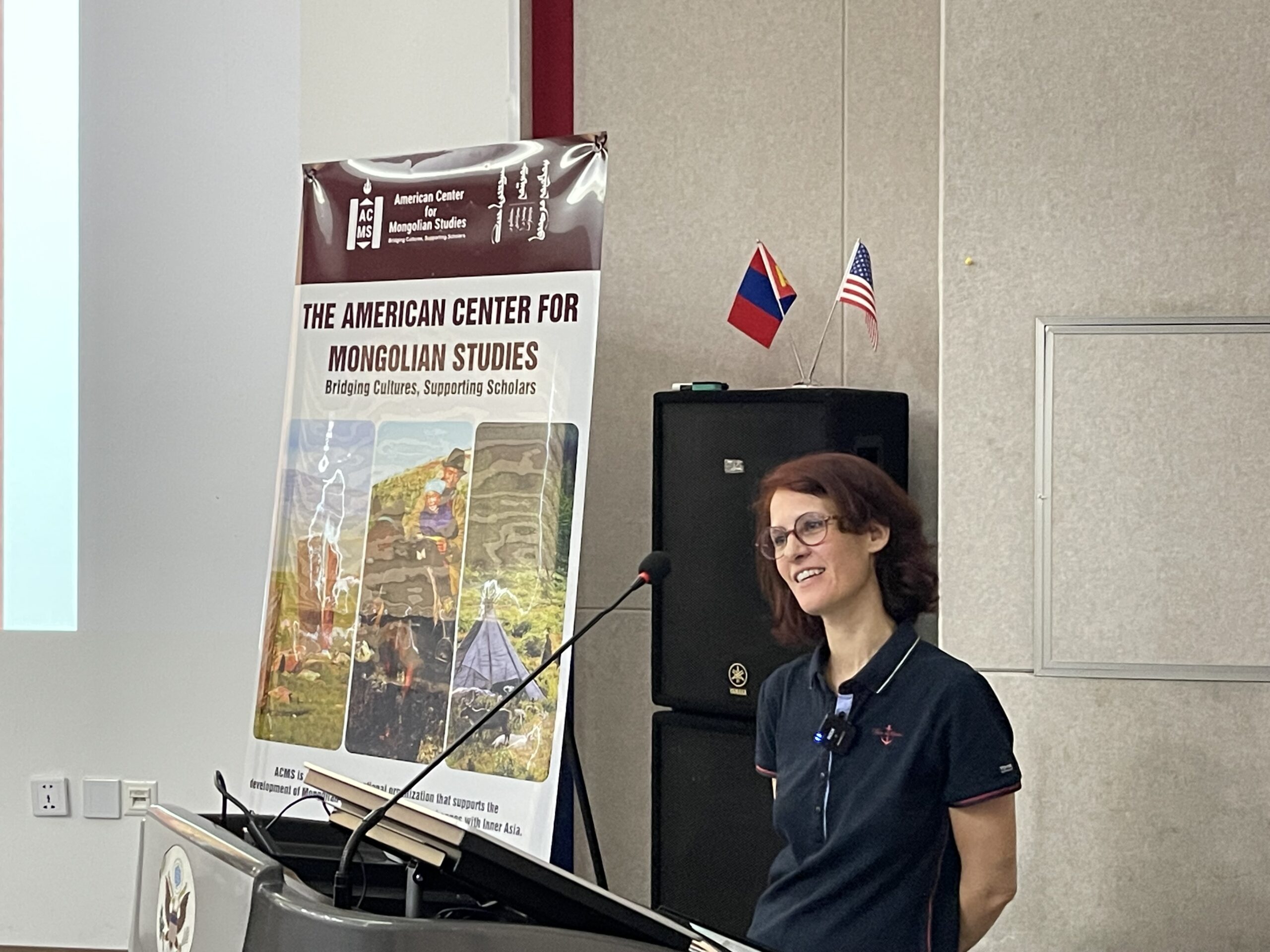
As part of the American Center for Mongolian Studies (ACMS) Speaker Series, Dr. Favereau presented her lecture “Pax Mongolica: New Research Tracks.” Currently Director of the French Institute for Central Asian Studies in Bishkek, Kyrgyzstan, and Associate Professor of Medieval History at Paris Nanterre University, Dr. Favereau is globally recognized for her groundbreaking studies on the Golden Horde.
In her talk, she highlighted how the Mongol Empire fostered systems of governance, trade, and diplomacy that connected the Silk Road, the Black Sea, and far beyond. Far from being defined solely by violence, the Mongols enabled an era of cultural flourishing, religious tolerance, and mercantile networks that underpinned early globalization.
“The Mongols succeeded because they were mobile, adaptive, and open,” Dr. Favereau explained, contrasting their nomadic governance with the rigid models of empires today.
Her research reframes history by incorporating nomadic voices and Eastern sources, challenging Western narratives and revealing how Mongol legacies continue to shape the world.
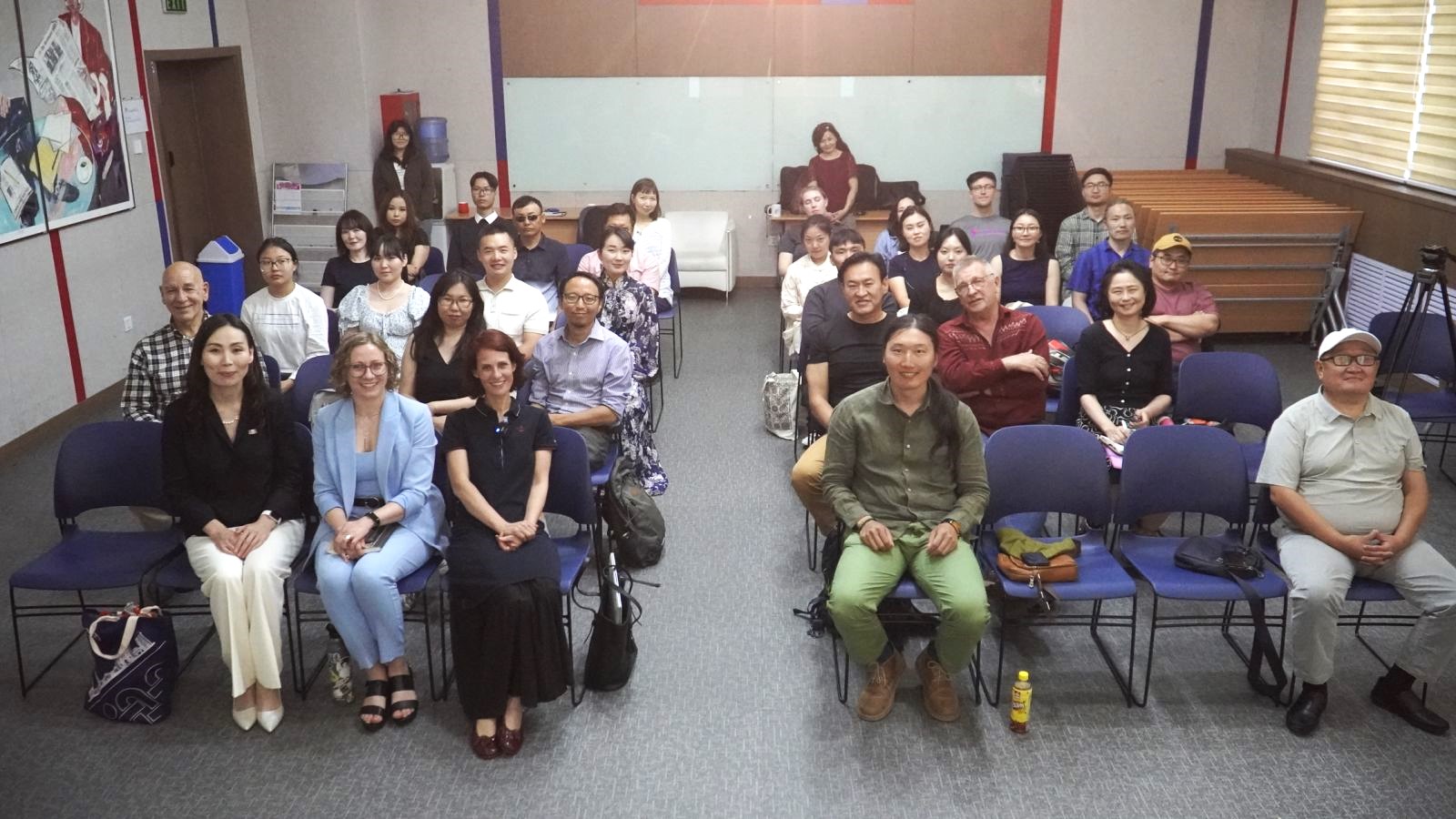
📺 Watch the full lecture here: ACMS YouTube
In 2023, Dr. Favereau continues to lead collaborative Eurasian projects from Bishkek, advancing fresh research on the Mongolian legacy. Her passion and clarity have reshaped global understanding of the empire’s role in world history.
The ACMS extends its sincere gratitude to Dr. Favereau for investing her time and scholarship with our community. We look forward to many more discoveries her work will inspire.