Lens on Mongolia: Photography, Culture, and Language

7 Days ◦ 5 Instructors and Support Staff

No Prior Experience Required, All Instruction Will Be in English

Dates: July 19-July 25, 2026

Tuition and Fees: $2,500 (Fellowships Available)

Deadlines

Priority Fellowship Consideration: February 20, 2026 (know by March 20, 2026)
Fellowship Waitlist: March 20, 2026 (know by April 17, 2026)
Final Deadline (Self-Funded): April 17, 2026 (know by April 24, 2026)

Attend our info session! ACMS will host an informational webinar about the 2026 Mongolia Field Schools on Thursday, December 18 at 7:30pm EST. Register now to learn more about the courses, meet the instructors, and ask questions before you apply!

Questions about this course? Email: cnorman@mainecc.edu
Questions about application or fellowships? Email: mfs@mongoliacenter.org

Embark on a seven-day immersive journey through Mongolia, where every moment becomes a story waiting to be captured. From the bustling streets of Ulaanbaatar to the sweeping steppes of Hustai and Khugnu-Tarna National Parks, this course blends wildlife photography, cultural exploration, and hands-on language learning. Photograph the rare Przewalski’s horse, elusive gray wolves, and graceful argali sheep in their natural habitats. Capture the vibrant energy of Naadam festivals, nomadic herder life, and centuries-old monasteries, all while learning to frame compelling stories with your camera. Gain practical Mongolian language skills through authentic interactions, enriching your connection to the people, landscapes, and traditions you photograph.

Course Overview

As part of a seven-day course exploring photography, culture, and language in Mongolia, this module focuses on the art of visual storytelling. We will begin in Ulaanbaatar, practicing street photography while capturing the vibrant pace of the capital and its everyday life. From there, we will venture into Hustai National Park where the vast steppe, wild horses, and dramatic skies create the perfect setting for wildlife photography.

Throughout this seven-day journey, participants will be fully immersed in Mongolia’s vibrant cultural heritage and everyday life. From exploring Ulaanbaatar’s museums and tasting traditional cuisine to witnessing the spiritual tranquility of Gandan Monastery, every experience offers a window into the nation’s soul. You’ll live alongside nomadic herder families, take part in local festivals. Through hands-on encounters such as traditional clothing making, camel riding across the dunes, and engaging with local artisans and monks, participants will gain a profound appreciation for Mongolia’s rich traditions, timeless landscapes, and the enduring spirit of its people.

Throughout the course, participants will be introduced to the basics of the Mongolian language, gaining practical skills to communicate and connect with local people. Beginning with simple greetings and expressions during the orientation in Ulaanbaatar, learners will continue to practice conversational Mongolian in real-life settings—whether speaking with monks at Gandan Monastery, chatting with nomadic herder families, or interacting with locals at festivals. This hands-on approach transforms language learning into a bridge of genuine cultural exchange, enriching participants’ understanding of Mongolia’s traditions and daily life while deepening their sense of connection to the people and places they photograph.

This course is designed for all skill levels. Whether you are a teacher with a cellphone or a professional with a DSLR, you will gain both technical and creative skills through a blend of classroom sessions, hands on practice, and critiques. By the end of the week, you will not only build a portfolio of striking images but also deepen your understanding of Mongolian culture and language, giving your photography greater context and meaning.

Also, everyone with an interest in Mongolian culture and language is welcome. No prior experience in photography or language learning is required—if you are curious about Mongolia, its traditions, and its people, this course offers an immersive and accessible way to engage with the country while developing your visual storytelling skills.

Recommended Photography Gear

  • Camera body (DSLR or mirrorless, with charger and extra batteries)
  • Lenses
    • Standard zoom lens (e.g., 24–70mm or 18–55mm)
    • Telephoto lens (e.g., 70–200mm or 55–250mm) for wildlife or distant subjects
    • Optional: Wide-angle lens for landscapes or architecture
  • Memory cards (multiple, high-capacity and fast read/write speed)
  • Tripod (lightweight but sturdy)
  • Camera bag (weather-resistant, comfortable for carrying long periods)
  • Lens cleaning kit (microfiber cloth, lens pen, blower)
  • Rain cover for camera and bag
  • Portable external hard drive or SSD for backing up photos
  • Laptop or tablet with photo editing software (e.g., Lightroom, Capture One)
  • Card reader and necessary cables

** If you only have cellphone access:

If a student only has a cellphone you can still get very close to a “real” camera experience by using a dedicated manual camera app plus a lightweight editing app and a few simple accessories.

A manual photo app that works on both platforms and pairs nicely with add-on lenses, consider Moment Pro Camera which offers tactile exposure controls and easy RAW capture.

For editing and finishing on the phone use Adobe Lightroom Mobile for full RAW editing and consistent color work, or Snapseed for a free, powerful and beginner-friendly editor that opens RAW files. Either will let students turn camera files into polished images for the class critique.

Zoom Sessions

Before beginning the course, we will hold two targeted Zoom sessions designed to cover the fundamentals of photography. These sessions will introduce essential concepts and techniques, giving you a head start so that you can confidently begin capturing images from the very first day of the trip. By addressing key topics ahead of time, you’ll have the opportunity to focus on practicing your skills in the field and making the most of every photographic moment during our journey.

Anticipated Course Activities
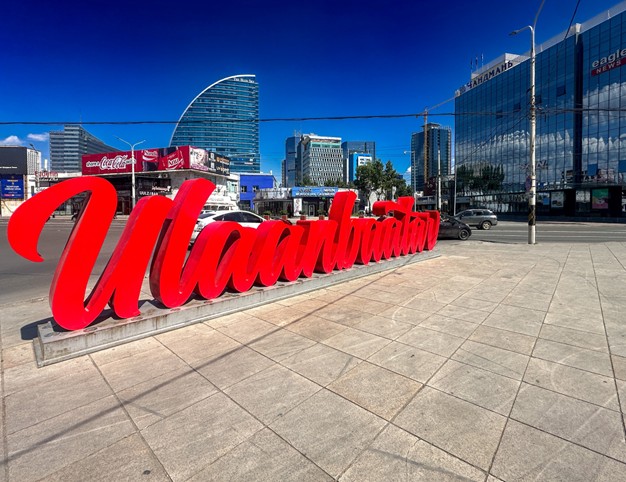
Day 1

July 19

An urban landscape picture featuring a large red red sign reading "Ulaanbaatar" with multiple glass and concrete buildings in the background.

Step into Mongolia: Cultural Immersion and Photography Fundamentals

Participants will begin their journey with an introduction to Mongolian traditional culture, gaining a deeper appreciation through immersive experiences. They will taste authentic Mongolian cuisine, explore the world-class Chinggis Khaan Museum, and take their first steps in learning the Mongolian language. This cultural foundation offers a rare opportunity to connect with Mongolia’s history, heritage, and way of life—beyond the classroom. At the same time, we will build a solid technical foundation in photography by getting familiar with your camera’s essential functions: aperture, shutter speed, and ISO. These three settings form the exposure triangle, controlling how light, motion, and depth come together in your photos. We’ll start by walking through how each setting affects an image and then move into hands-on practice, adjusting them in different lighting conditions. By the end of the session, you will understand how to balance these elements to achieve the look you want—whether freezing motion, creating background blur, or capturing detail in low light—preparing you to combine cultural storytelling with strong photographic technique.

Day 2

July 20

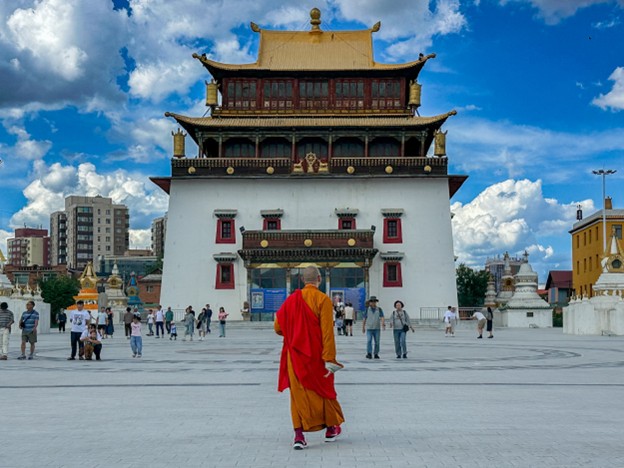
A picture of a Buddhist monk in saffron and red robes walking towards a large white, red, and yellow Buddhist temple.

Chants, Colors, and Wild Horizons: A Journey from Gandan Monastery to Hustai National Park

We’ll start the day with a visit to Gandan Monastery, the country’s most prominent center of Buddhism. We’ll immerse ourselves in the serene atmosphere of chanting monks, the scent of burning incense, and the deep sense of devotion that fills the air. The monastery’s majestic architecture, adorned with intricate carvings and vibrant colors, reflects centuries of religious artistry and craftsmanship.

In the evening, we’ll travel to Hustai National Park, where we’ll stay for the remainder of the course.

Day 3

July 21

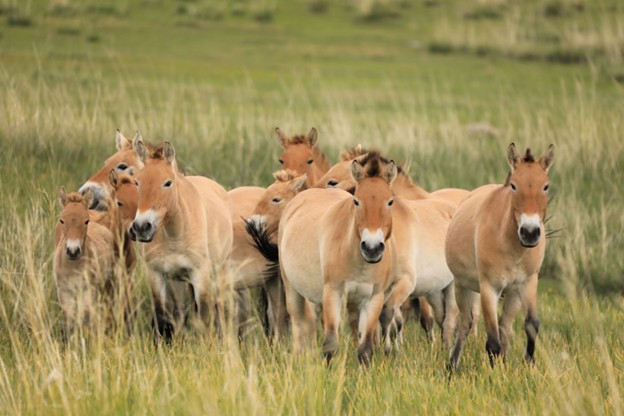
A photo of a group of tan wild horses standing on a grassy plain

Steppe Life in Motion: Wildlife and Nomadic Living Through the Lens

Start the day before sunrise as we head into Hustai National Park for our first session of wildlife photography. The early morning light is ideal for spotting and photographing both the rare Przewalski’s horse and marmots. As we capture these remarkable animals, park biologists will share insights into their behavior, conservation, and habitat, helping us understand how to tell richer stories through our images. Building on this connection between people, animals, and the land, we’ll shift our focus to lifestyle photography. We’ll spend time with local herder families, documenting daily routines such as morning chores, livestock care, and traditional food preparation. This immersive experience will allow us to explore how to capture movement and authenticity in natural settings while engaging with the rhythm of nomadic life. Throughout the session, we’ll discuss how to frame and sequence images to tell a human story that feels alive and connected. You’ll also have the chance to practice your Mongolian through genuine interactions with the families you photograph. By the end of the day, you’ll have deepened both your technical and cultural understanding—blending timing, composition, and emotion to create visual narratives that reflect the harmony between Mongolia’s people, wildlife, and vast landscapes.

Day 4

July 22

A photo of three women wearing brightly colored Mongolian dress dancing together onstage.

Sunrise on the Steppe and the Colors of Tradition: A Visual Journey

We’ll start the morning at sunrise as we head into the park to photograph red deer and Mongolian gazelles. This time of year follows their birthing season, offering a rare chance to observe small groups of antelopes in their natural environment. If we’re unable to locate them immediately, we’ll spend time quietly waiting near rangelands or water sources—learning the value of patience, observation, and timing in wildlife photography. Later in the day, we’ll immerse ourselves in the rich culture and energy of either a Naadam festival or a Mongolian nomadic lifestyle event. This experience will allow you to engage directly with local people, practice your Mongolian language skills, and photograph vibrant scenes of traditional games, horse racing, and community gatherings. It’s an ideal opportunity to practice documentary-style photography in a lively, authentic environment, focusing on capturing natural moments as they unfold.

Day 5

July 23

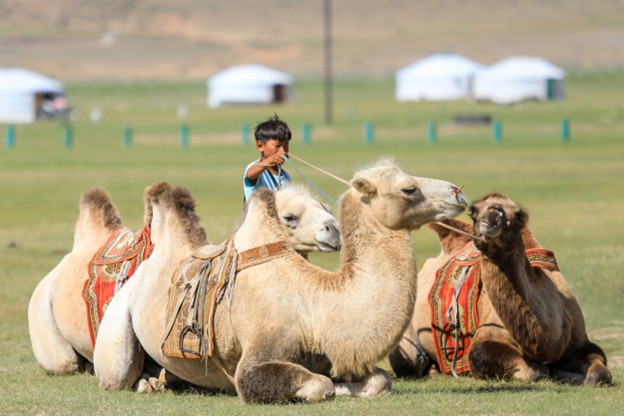
A photo of a young Mongolian boy standing next to a two-humped camel pulling on its bridle.

From Sand to Spirit: Capturing Life and Landscape in Khugnu-Tarna National Park

We’ll depart Hustai National Park for a scenic two-hour drive to Khugnu-Tarna National Park, home to striking contrasts of mountains, grasslands, and sand dunes. Our first stop will be the Elsen Tasarkhai sand dunes, where participants can enjoy an exhilarating hike or take part in a memorable camel group ride across the rolling sands—a true taste of Mongolia’s desert landscape. Later, we’ll visit the historic Erdene Monk’s Monastery before hiking to the nearby Uvgun Monk’s Monastery, both sites rich with spiritual heritage and stunning views. Along the way, there will be opportunities to engage in quiet conversations with monks and visitors, gaining insight into their daily routines and traditions. From a photography perspective, this session will emphasize capturing the rhythm of daily life—from moments of reflection and prayer to the subtle details that define these sacred communities. We’ll practice working respectfully within religious and public spaces, focusing on composition, timing, and sensitivity to create images that feel both genuine and reverent.

Day 6

July 24

A photo of a group of young Mongolian women in traditional dress doing a dance presenting bright white Buddhist scarves.

Wild Majesty and Crafted Heritage: Photography of Wolves, Argali, and the Mongolian Deel

For our last day in the park, we’ll begin before sunrise as we journey into the mountain steppe to photograph gray wolves and argali sheep, taking advantage of the early light to capture these elusive and majestic animals in their natural habitat. In the afternoon, we’ll visit a Mongolian woman as she demonstrates the traditional process of making a deel, the national garment. This hands-on cultural experience offers the perfect opportunity to photograph intricate craftwork, explore the textures and colors of fabrics, and practice storytelling through everyday life. By combining technical photography and editing skills with immersive fieldwork, you’ll gain a deeper understanding of both the creative and cultural aspects of visual storytelling.

Day 7

July 25

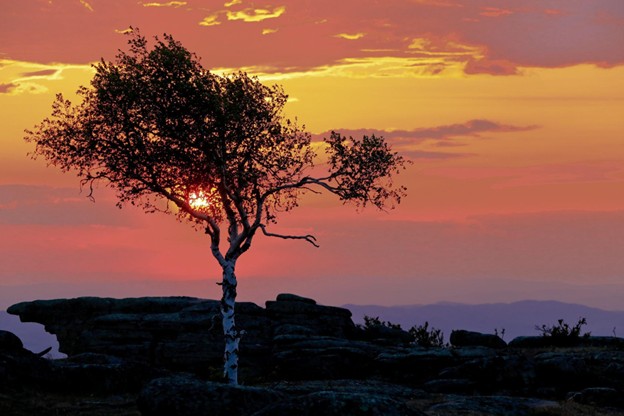
A photo of a single tree in silhouette with a purple, orange, and yellow sunset in the background.

Conclusion

On the final day of our course we will return to Ulaanbaatar for a focused session on post-production and presentation. This will be a time to bring the week’s experiences together and shape them into a cohesive visual story. During the first hour we will work on editing and curation, selecting your strongest images, refining compositions through cropping, and applying thoughtful color corrections to enhance mood and consistency. Next, we will prepare files for digital sharing, discussing how presentation choices affect how an audience experiences your work. We will conclude with a mini-exhibit and peer feedback session, celebrating the images created throughout the week. By the end of the day you will have a polished short portfolio or narrative series that reflects your growth as a photographer and the unique story of your time in Mongolia.

Interactive Banner 2

Enter description text here.

Instructors

A photograph of a young Mongolian woman standing in a field wearing a bright orange Mongolian garment.

Dr. Tsermaa Nyamdavaa

National University of Mongolia

Dr. Tsermaa Nyamdavaa was born and raised in a herder family in Ulziit soum, Uvurkhangai province, Mongolia, giving her firsthand experience of the Mongolian countryside, culture, and traditional herding lifestyle. She is well-versed in life in a Mongolian ger (yurt), horse riding, assisting with herding, seasonal migration, assembling gers, milking livestock, and producing dairy products. Currently, she is Senior Lecturer and Head of the Department of Public Administration at the National University of Mongolia. She also works as a Monitoring, Evaluation, and Learning (MEL) consultant for One Health Project being implemented in Sukhbaatar Province, Mongolia. Dr. Nyamdavaa earned her Ph.D. in Natural Resources and Sustainability program at the Department of Natural Resources and Environment, University of Alaska, Fairbanks, USA. Her doctoral research focused on the “Implementation of Community-based Natural Resources Management Principles within the Buffer Zone at the Hustai National Park, Mongolia.” She coordinated and translated for the 2022 Mongolia Field School, “Herding and Climate Change” before subsequently serving as Lead Instructor for the MFS courses “Hustai National Park: Managing Biodiversity in the Home of Mongolia’s Native Horses” in 2024 and 2025, and “Changing Biodiversity in Hustai National Park” in 2025.
Batzaya Tsogt

Batzaya Tsogt

Hustai National Park
Batzaya has been working as a wildlife and wild horse biologist of the Hustai National Park, Mongolia since 2019. Previously, he worked as a wildlife biologist and researcher at Ikh Nart Nature Reserve, Mongolia between 2017-2019. Batzaya’s academic research interests lie in wildlife conservation, with a particular focus on mammal species. His scientific pursuits involve studying wildlife populations and examining ecological factors influencing their distribution and numbers. Additionally, his research encompasses source and sink population dynamics, as well as the study of migration corridors for wild ungulates. Presently, he is pursuing a Ph.D. in the Department of Biology at the National University of Mongolia. He was a central figure in the 2024 and 2025 field school “Hustai National Park: Managing Biodiversity in the Home of Mongolia’s Native Horses,” as well as the 2025 field school “Changing Biodiversity at Hustai National Park.” He has a strong passion for capturing the beauty of nature and wildlife through photography.
A professional headshot of a white man with brown hair and a beard wearing green glasses and a black polo shirt.

Corey Norman

Southern Maine Community College
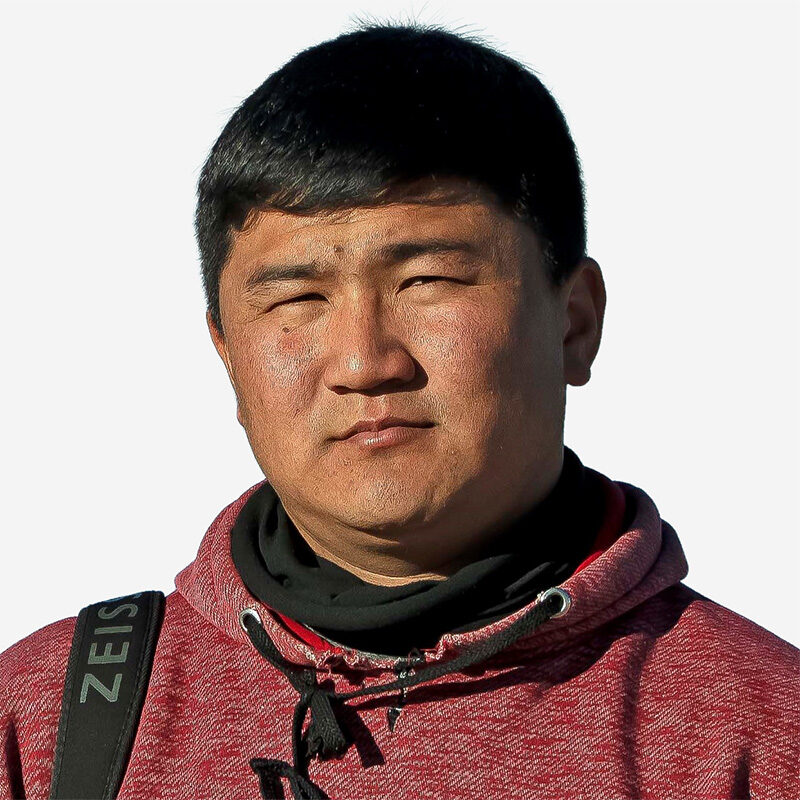
Corey Norman is an award-winning Maine-based photographer and videographer whose work has been featured on PBS, National Geographic, the History Channel, and Discovery, as well as at festivals around the world. With over twenty years of experience, he is known for his striking compositions and strong storytelling, capturing everything from narrative films to travel photography and documentaries. As an educator, Corey has guided students of all levels in refining both their technical skills and creative vision. In Mongolia, he will lead participants from the vibrant streets of Ulaanbaatar to the sweeping landscapes of Hustai National Park, helping them build powerful images that connect culture, place, and story. He currently also serves as Professor of Communications and New Media at Southern Maine Community College.
A photo of a young Mongolian man smiling and standing in front of a fountain.

Uuganbayar Ganbold

Hustai National Park
Uuganbayar Ganbold has been working as a wildlife biologist and protection manager at Hustai National Park since 2012. Specializing in carnivore research, he has extensive experience in law enforcement, legal regulation, and conservation planning. Focused on wildlife conservation, he brings strong expertise in resource protection, knowledge of environmental laws and programs, and a proven record of successfully implementing fieldwork. He is currently pursuing a Ph.D. at the Mongolian National University of Education, focusing on the ecology and behavior of wolves in Hustai National Park. He was one of the key contributors to the “Hustai National Park: Managing Biodiversity in the Home of Mongolia’s Native Horses” field school in 2024 and 2025 as well as the “Changing Biodiversity at Hustai National Park, Mongolia” summer field school in 2025. He is also deeply passionate about nature and wildlife photography. He is also deeply passionate about nature and wildlife photography. In 2015, he was recognized as one of Mongolia’s Top 80 Photographers during the 80th anniversary of Mongolian photography, and a decade later, in 2025, he was honored as one of Mongolia’s Top Wildlife Photographers during the 90th anniversary celebration.

Testimonials

Liz-SQ600

"Attending the renewable energy field school was the best decision I made in 2019! I was already attending a fulltime graduate program in Canada, but the field school added rich value to my learning. As the world is becoming more globalized, looking at how Mongolia is responding to the challenges of supplying cleaner energy was a valuable experience. Our instructors came with a vast amount of knowledge and a passion to teach.’’

Liz B.

Participant of Mongolia Field School 2019
Batkhuu SQ600

"As a sociology major student, this program was very helpful to explore urban issues and migration processes in contemporary Mongolia. Through this program, I sharpened my academic capabilities while refining soft skills essential for my future studies.’’

Batkhuu B.

Participant of Mongolia Field School 2019
Janis-Michael-SQ600

"The ACMS field school is a unique experience that has changed my life and teaching. In most programs, international participants are isolated from the country in which we are studying except for controlled visits to local people and sites. Not so with ACMS! Half of the participants in each field school are from Mongolia, ensuring that local and international participants have a chance to understand each other’s perspectives.’’

Janis M

Participant of Mongolia Field School 2019
Scroll to Top