
Embark on an eleven-day journey (June 22 to July 2, 2027) exploring how Mongolia navigates environmental changes, biodiversity, and urban transformation.
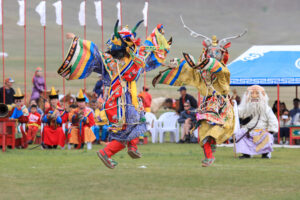
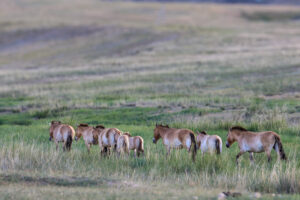
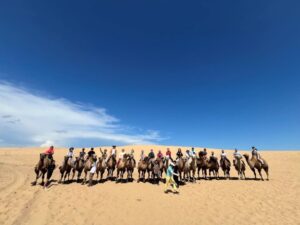
This hands-on field course begins in Ulaanbaatar and moves to Hustai National Park, home to the Przewalski’s horse, where participants study wolves, argali, and vegetation, visit herder households, and learn how community-based natural resource management shapes conservation and herder-farmer relations in the buffer zone. Along the way, participants explore the park’s sand dunes and a monastery, and attend the Khuree Tsam festival.
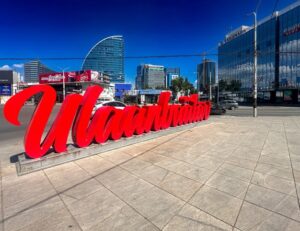
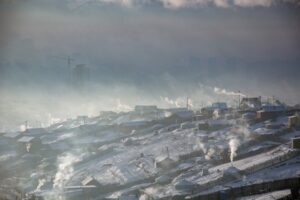
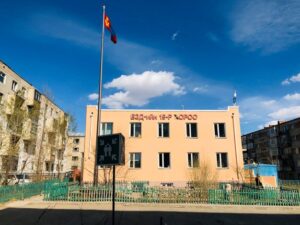
Back in the capital, the course turns to rural-to-urban migration and the Ger districts, where nomadic traditions meet city life. Participants walk through Ger neighborhoods, visit the ADRF children’s center, and meet khoroo officials and Ger district households to examine local governance, public services, air pollution, and water contamination.
The course closes with participant presentations on the challenges they found most compelling, along with their own ideas for improvement. It offers insight into a nation balancing ancestral ways with sustainable adaptation in a rapidly changing world.
June 22 - July 2, 2027
11 Days • 2 Instructors
Guest Lecturers • Support Staff
Tuition and Fees: $4,250
Scholarships available
No prior experience required
All instruction will be in English
Academic Credits (Optional)
Academic credit is available through Metropolitan State University of Denver
Processing Fee: $100 per credit
Deadlines
Priority Scholarship Consideration
February 5, 2027
Hear back by February 19, 2026
Final Deadline
April 1, 2027
Rolling application review for self-funded applicants. Limited scholarships may be available.
Tuition Due in Full
May 1, 2027
Please note that all tuition payments are due in full by May 1, 2027. For more information about payment and refunds, please see our Participant-Initiated Cancellation and Refund Policy.
Questions about application or scholarships? Email: mfs@mongoliacenter.org
Course Overview
This immersive 11-day field school explores the interconnected relationships between environmental degradation, biodiversity conservation, nomadic livelihoods, rural-to-urban migration, and community resilience in Mongolia. Through lectures, field research, wildlife observation, and community engagement, participants will examine how environmental, social, and economic transformations are reshaping Mongolia's natural landscapes, traditional pastoral practices, and urban communities.
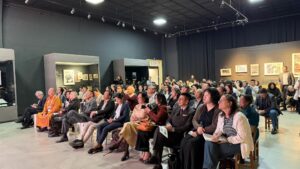
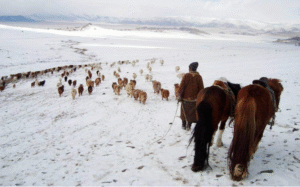
The program begins in Ulaanbaatar with an introduction to Mongolian culture, history, and the impacts of changing weather patterns, particularly dzud, which are the severe winter storms that threaten livestock and pastoral livelihoods. Participants will experience Mongolia's rich cultural heritage through visits to the Chinggis Khaan Museum and the traditional Danshig Naadam–Khuree Tsam festival.
The field school then moves to Hustai National Park, where participants will explore biodiversity conservation and ecosystem management through hands-on activities with park biologists, rangers, and local communities. Field experiences include observing and tracking Przewalski's horses (Takhi), red deer, Mongolian gazelles, and marmots in their natural habitats. A visit to the Hugnu-Tarna area will further introduce participants to Mongolia's diverse landscapes and cultural heritage.
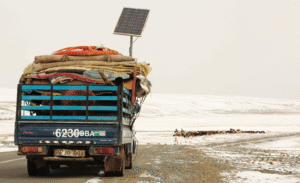
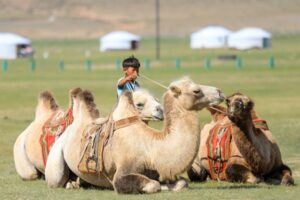
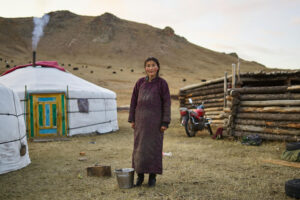
An important component of the course focuses on community-based natural resource management (CBNRM), climate adaptation, and sustainable nomadic livelihoods. Through visits to herder families, participants will examine traditional livestock management, grazing practices, and local adaptation strategies. They will also investigate conflicts between herders and crop farmers in Hustai National Park's buffer zone, exploring how climate pressures, resource scarcity, and competing land uses influence local livelihoods and resource governance.
The final part of the program shifts from Mongolia's rural steppe to the rapidly expanding urban environment of Ulaanbaatar, examining rural-to-urban migration and its implications for community well-being, sustainability, and local governance. Through lectures, walking tours, and community visits in the city's Ger districts, participants will explore the drivers and consequences of internal migration. Engagement with the ADRF children's center, local government officials, and Ger district households will provide firsthand insights into community life, access to public services, and the challenges of urban development. Participants will conduct small-group household discussions and share their observations with local administrative representatives.
Designed for students, researchers, conservation practitioners, development professionals, K-12 teachers, and individuals interested in Mongolia's environmental and cultural transformations, the field school combines interdisciplinary learning with practical field experience and meaningful cultural exchange. By connecting biodiversity conservation, nomadic adaptation, migration, and urban governance, the course offers a comprehensive understanding of the challenges and opportunities facing contemporary Mongolia. The program concludes with individual presentations in which participants reflect on a selected challenge and propose practical ideas for improvement, drawing on their field observations and interactions with local communities.
Anticipated Course Activities
Please note that all course activities, locations, and timing are subject to change based on local conditions, availability, and other factors.
 July 2, 2027
Instructors

Lead Instructor
Dr. Tsermaa Nyamdavaa
National University of Mongolia

Co-Instructor
Dr. Amgalan Batsuuri
University of Alaska, Fairbanks


