
Dive into Mongolia’s UNESCO-inscribed customs, traditional knowledge and lifeways, and unique tangible and intangible cultural heritage in this ten-day arts and culture program in Mongolia’s breathtaking Terelj National Park. Why simply attend a performance or visit a museum when you can learn by doing? Through hands-on, expert-led workshops in dance, music, cooking, archery, and more, participants will gain valuable cultural knowledge as they practice key skills and reflect on the meanings, contexts, and history behind their experiences. Each day of this program will follow a four-part cycle to cement learnings from one topic before moving on to the next: introduction – practice – learning by doing – sharing and reflection.
June 28-July 7, 2027
10 Days • 3 Instructors, Guest Artists, and Support Staff
Tuition and Fees: $4,000
Scholarships available
No prior experience required
All instruction will be in English
Academic Credits (Optional)
Academic credit is available through Metropolitan State University of Denver
Processing Fee: $100 per credit
Deadlines
Priority Scholarship Consideration
February 5, 2027
Hear back by February 26, 2027
Final Deadline
April 1, 2027
Rolling application review for self-funded applicants. Limited scholarships may be available.
Tuition Due in Full
May 1, 2027
Please note that all tuition payments are due in full by May 1, 2027. For more information about payment and refunds, please see our Participant-Initiated Cancellation and Refund Policy.
Course Overview
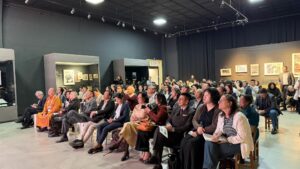
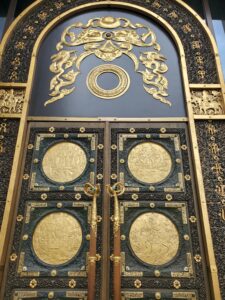
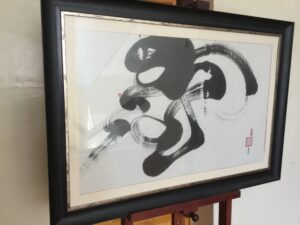
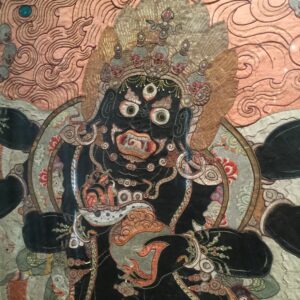
This 10-day Mongolia Field School course brings together traditional Mongolian visual and performing arts styles, material culture, and Mongolian traditions and everyday practices for an unforgettable exploration into the creative, artistic, and cultural spirit of Mongolia. Participants will begin in Ulaanbaatar, where guided visits to the Chinggis Khaan National Museum and the Zanabazar Museum of Fine Arts will provide historical context for the course. A visit to the National Library of Mongolia will introduce Mongolian book arts and intellectual heritage, and a workshop with a calligrapher will further illuminate the ways that traditional Mongolian script serves as both a form of writing and an artistic practice. Through a gallery visit and evening ensemble performance, you will be further submerged in the world of contemporary visual and traditional performing arts of Mongolia.
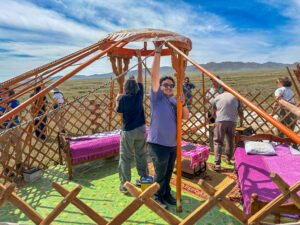
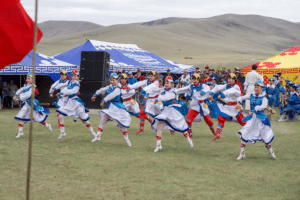
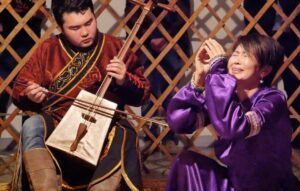
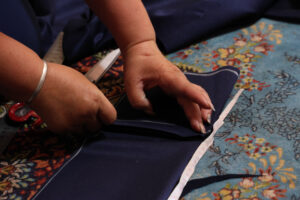
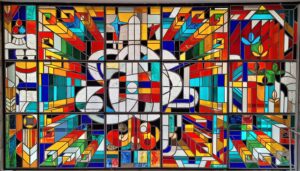
Six days in Mongolia’s stunning Terelj National Park will provide ample time for you to learn alongside cultural practitioners, teaching artists, and local hosts, who will introduce you to the uniquely captivating world of Mongolian music, dance, visual and material arts, and traditional practices. You will pair demonstrations and discussions with hands-on activities in various artistic styles and disciplines, which will help solidify your understanding of these invaluable pieces of cultural heritage by allowing you to experience them for yourself.. Further sessions on ger design, hospitality, games, and foodways place these arts in the context of daily life, and short field-journal entries and group discussions will help you connect what you see in museums with how materials, skills, and stories are used and shared today.
An informal Cultural Exchange Day at the end of the Terelj portion of the program will give participants a chance to share a practice or observation with their hosts before returning to Ulaanbaatar. Back in the city, the final day of the program will feature a visit to a contemporary arts studio or gallery—connecting the field experience with contemporary creative practice and solidifying your understanding of Mongolia’s rich cultural and artistic heritage and exciting present.
This Field School program welcomes students, educators, artists, cultural professionals, enthusiasts, and anyone else interested in Mongolia regardless of experience level. All instruction will be in English, and no prior experience in Mongolia or training in the arts is required. This course will involve some physical activity and we encourage everyone to participate to the best of their ability. Modifications and observation are welcome. Applicants with an arts background are welcome to submit a portfolio as part of the application process. Portfolios will not be used in the admissions and scholarship allocation process, but are helpful for building a cohort and understanding participants’ prior experience levels. Those without a portfolio are encouraged to apply, and will be asked to submit a short supplemental written statement in lieu of a creative portfolio. More information is available in the application here.
Anticipated Course Activities
Please note that all course activities, locations, and timing are subject to change based on local conditions, availability, and other factors.

Instructors
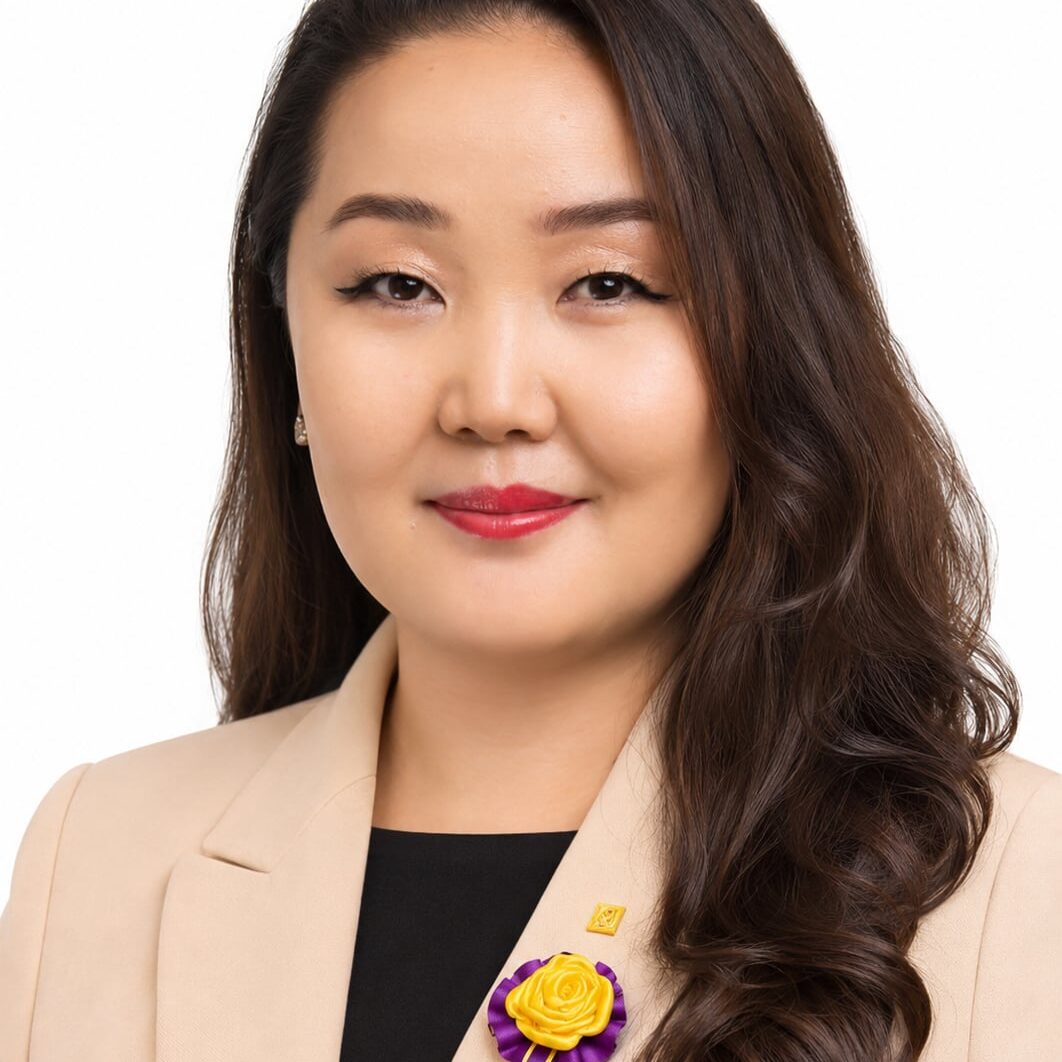
Tsendsaikhan Sodnomdarjaa
Terelj Boarding School
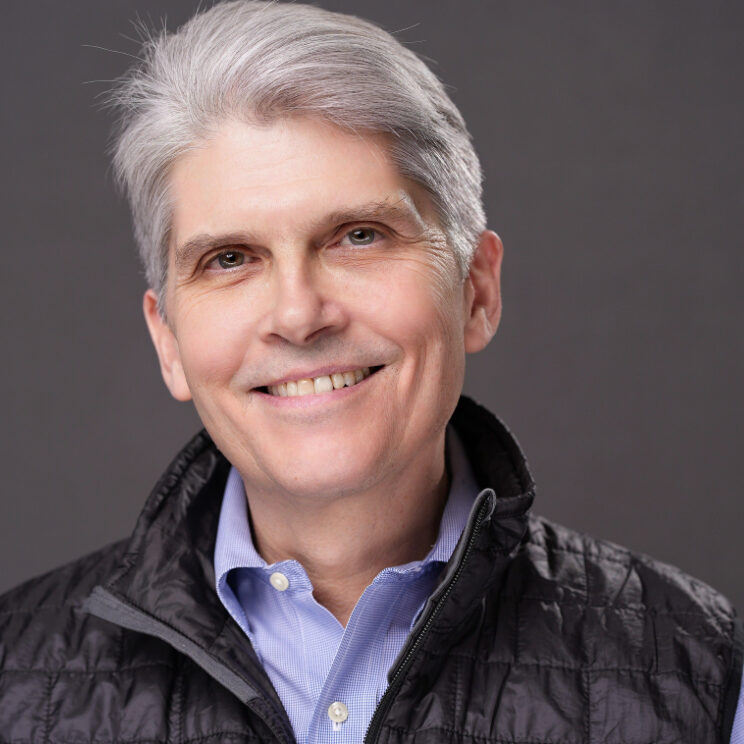
Dr. Les Joynes
Columbia University
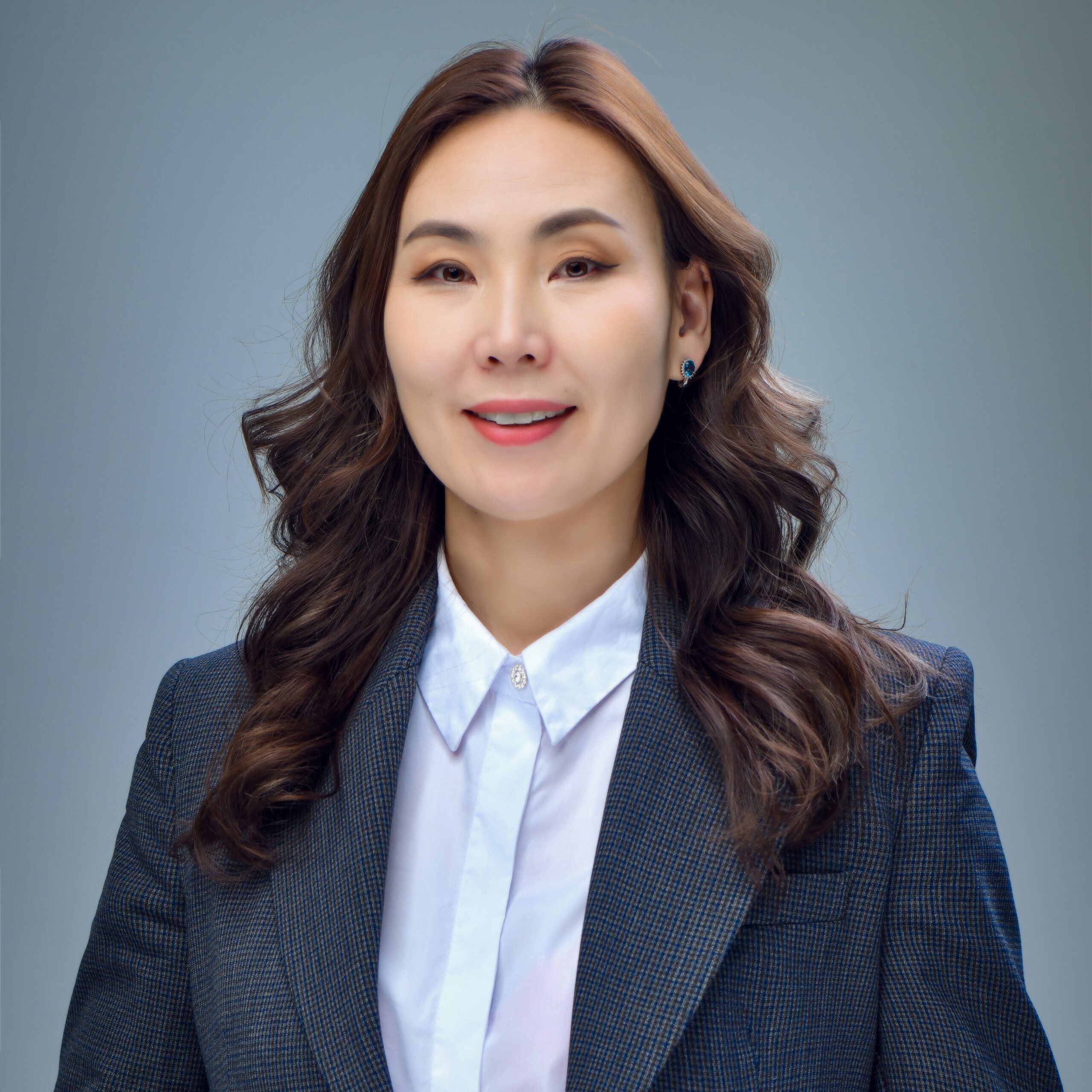
Davaasuren Myagmar
American Center for Mongolian Studies


